12 Anti-Inflammatory Foods That Calm Chronic Inflammation
Your body handles a splinter and a stubbed toe the same way it always has. It rushes immune cells to the spot, the skin turns warm and a little red, and within a few days the repair work is finished. That kind of inflammation is short, focused, and exactly what you want from it.
The problem shows up when the response never fully powers down. Low-grade, chronic inflammation can simmer quietly for years, and researchers have tied it to a long list of issues that tend to come with aging. Plenty of things influence it, including sleep, stress, and movement, but the food on your plate is one of the few levers you pull three times a day. A diet built around anti-inflammatory foods is one of the most practical ways to keep that simmer in check.
How anti-inflammatory foods calm chronic inflammation
No single food flips an inflammation switch. The benefit comes from a pattern, repeated over weeks and months. Anti-inflammatory foods tend to share a few traits: they're rich in antioxidants, naturally colorful, high in fiber or healthy fats, and close to their whole form. According to Harvard Health, diets heavy in refined carbohydrates, fried items, and sugary drinks push inflammation in the wrong direction, while diets centered on produce, whole grains, and healthy fats do the opposite. The twelve foods below are easy, affordable, and already sitting in most grocery stores.
1. Fatty Fish
Salmon, sardines, mackerel, and herring are the headliners here, thanks to their omega-3 fats EPA and DHA. These fats give your body the raw material it uses to wind inflammation back down once it has served its purpose. Two servings a week is a common target, and canned sardines or salmon make that goal both cheap and convenient. If fish rarely makes your menu, an algae-based omega-3 supplement covers similar ground.
2. Leafy Greens
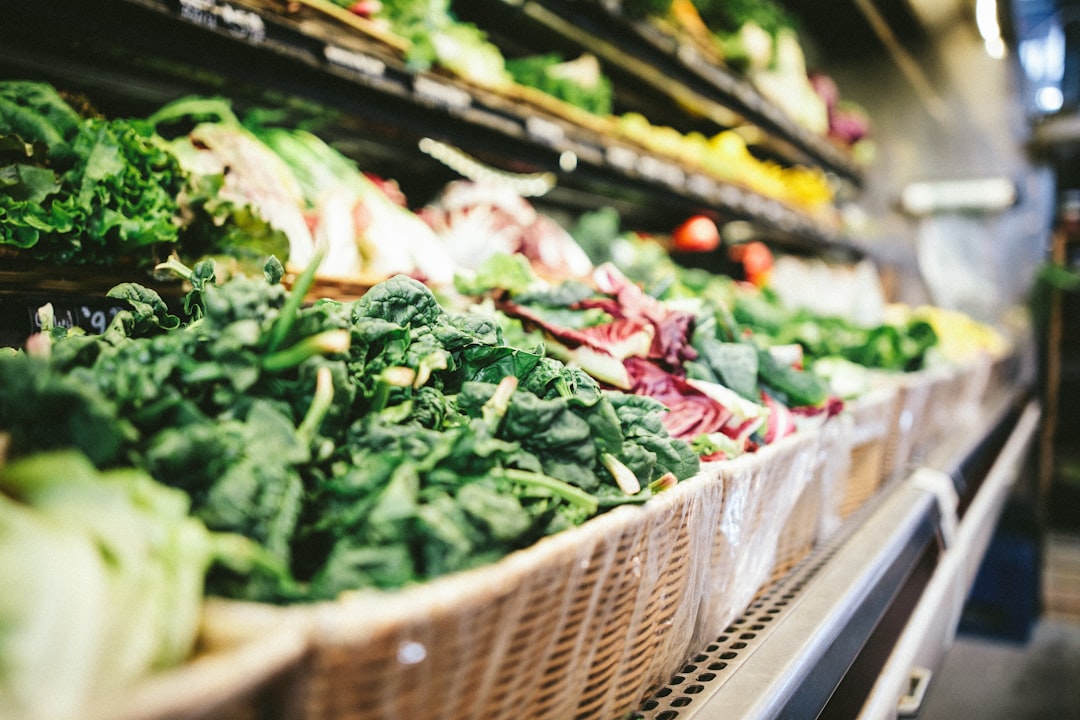
Kale, spinach, Swiss chard, and collards carry vitamins A, C, E, and K along with carotenoids and flavonoids, a cluster of antioxidants associated with lower inflammatory markers. They also slip into almost anything. A handful wilted into eggs, blended into a smoothie, or stirred into soup at the last minute barely changes a recipe. Cooking greens in a little olive oil helps your body absorb their fat-soluble vitamins, too.
3. Berries
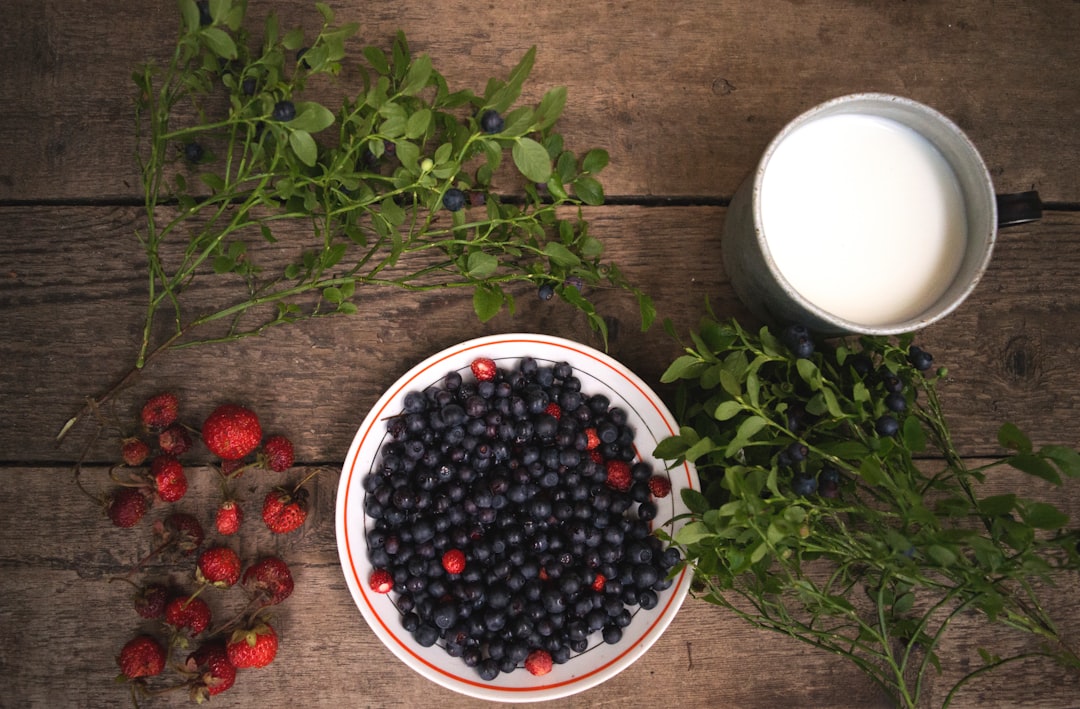
Blueberries, strawberries, blackberries, and raspberries get their deep color from anthocyanins, pigments that double as powerful antioxidants. People who eat berries regularly tend to show lower levels of certain inflammatory markers in their blood. Frozen berries are picked ripe and hold their nutrients well, so a bag in the freezer works just as hard as fresh. A small daily handful on oatmeal or yogurt is an easy habit to lock in.
4. Extra Virgin Olive Oil
Extra virgin olive oil is a cornerstone of the Mediterranean way of eating, and for good reason. It carries monounsaturated fat plus a compound called oleocanthal, which researchers have compared to mild anti-inflammatory medication in the way it behaves in the body. Make it your default for finishing dishes and low-to-medium heat cooking. The "extra virgin" grade matters, since it is the least processed and keeps more of the protective compounds intact.
5. Turmeric
Turmeric's bright color comes from curcumin, the compound behind most of its reputation. Studies suggest curcumin can lower several markers of inflammation, though there is a catch: on its own, curcumin is poorly absorbed. Pairing turmeric with a pinch of black pepper increases that absorption dramatically, and a little fat in the dish helps as well. Stir it into rice, roasted vegetables, lentil soups, or a warm cup of milk.
6. Ginger
Ginger is turmeric's natural partner, and its active compounds, the gingerols, have their own track record. Research summarized by Healthline points to ginger lowering inflammatory signals across several studies. Fresh ginger grated into stir-fries, salad dressings, or hot tea is the simplest route. It pairs naturally with turmeric, and the two appear to work better together than either one does alone.
7. Walnuts and Almonds
Nuts deliver a useful mix of healthy fats, fiber, vitamin E, and magnesium. Walnuts stand out for their plant-based omega-3 known as ALA, while almonds bring a strong dose of antioxidants concentrated in their skins. A small handful, roughly a quarter cup, makes a steady snack that won't spike your blood sugar the way a processed option might. Keep them unsalted and unsweetened to get the cleanest benefit.
8. Green Tea
Green tea is rich in polyphenols, especially one called EGCG, considered among the more potent antioxidant compounds in an everyday diet. Swapping a single daily coffee or soda for green tea is a low-effort trade with a real upside. It carries less caffeine than coffee, so it sits more gently in the afternoon, and it tastes good iced or hot depending on the season.
9. Broccoli and Cruciferous Vegetables
Broccoli, cauliflower, Brussels sprouts, and cabbage belong to the cruciferous family, known for a compound called sulforaphane that supports the body's own antioxidant defenses. Light cooking, whether a quick steam or a hot roast, preserves more of the good stuff than boiling them to softness. Roasting cruciferous vegetables with olive oil and garlic turns a nutrient powerhouse into something people actually go back for seconds of.
10. Tomatoes
Tomatoes are a leading source of lycopene, an antioxidant linked with lower inflammation. Lycopene is one of the rare nutrients that becomes more available when cooked, so tomato sauce, roasted tomatoes, and soups can outperform raw slices. Cooking them with a little olive oil boosts absorption further. A jar of tomato sauce, checked for low added sugar, is a quiet workhorse in an anti-inflammatory kitchen.
11. Avocado
Avocados bring monounsaturated fat, fiber, potassium, and carotenoids together in one creamy package. That healthy fat also helps your body absorb fat-soluble antioxidants from whatever you eat alongside it, which makes avocado a smart partner for a salad. Half an avocado mashed onto whole-grain toast, or sliced into a grain bowl, folds easily into meals you are probably eating already.
12. Beans and Lentils
Beans, lentils, and chickpeas are fiber heavyweights, and that fiber is where they connect to your gut. Your beneficial bacteria ferment it and release short-chain fatty acids, compounds with a calming effect on inflammation. Mayo Clinic Health System highlights legumes as a staple of an inflammation-easing grocery list. They are also among the cheapest items on this page, which never hurts.
Putting these anti-inflammatory foods to work
You don't have to overhaul your kitchen overnight. Pick two or three of these foods you already enjoy and build them into next week's meals, then add another the week after. Consistency is what shifts inflammatory markers, not a single flawless day of eating. It also helps to crowd out the foods that push the other direction, the sugary drinks, the ultra-processed snacks, the fried takeout, simply by leaving less room on the plate for them.
At Roots Nutrition, we treat food as the foundation and supplements as support, never the reverse. Because chronic inflammation and digestion are closely tied, the fiber and whole-food habits above do double duty for your gut. If you want extra reinforcement while the routine takes hold, our digestion supplements and detox supplements are designed to complement an anti-inflammatory plate rather than replace one.
The lasting takeaway here is a calm one. Anti-inflammatory foods aren't exotic or expensive, and no single one of them carries the whole load. Fish, greens, berries, good oil, a few warming spices, nuts, tea, and beans, eaten regularly and in ordinary amounts, add up to a pattern your body can feel over time. Start with whatever is already in your fridge and let the habit grow from there.
This article is for general wellness and educational purposes only and isn't a substitute for personalized guidance from a qualified healthcare professional.