
12 Anti-Inflammatory Foods That Calm Chronic Inflammation
The stiffness shows up before the coffee does. Knees that creak on the stairs, fingers that take a few minutes to loosen, a low hum of puffiness and fatigue you've started filing under "just getting older." Sometimes that's exactly what it is. But chronic low-grade inflammation, the kind that simmers quietly for years, often plays a bigger role than people realize, and your grocery cart has more say in it than almost anything else.
Food won't flip a switch overnight. What it can do, eaten consistently, is shift the balance. Certain foods carry compounds that interrupt inflammatory pathways instead of feeding them. Here are 12 anti-inflammatory foods worth keeping in regular rotation, and simple ways to actually use them.
The 12 best anti-inflammatory foods to eat regularly
1. Fatty fish
Salmon, sardines, mackerel, and herring are the headliners. Their omega-3 fats, EPA and DHA, are among the most studied inflammation fighters we have, and they work by tamping down the pro-inflammatory signals your body sends. Two or three servings a week is a reasonable target. Canned sardines on toast count, and they're cheap.
2. Berries
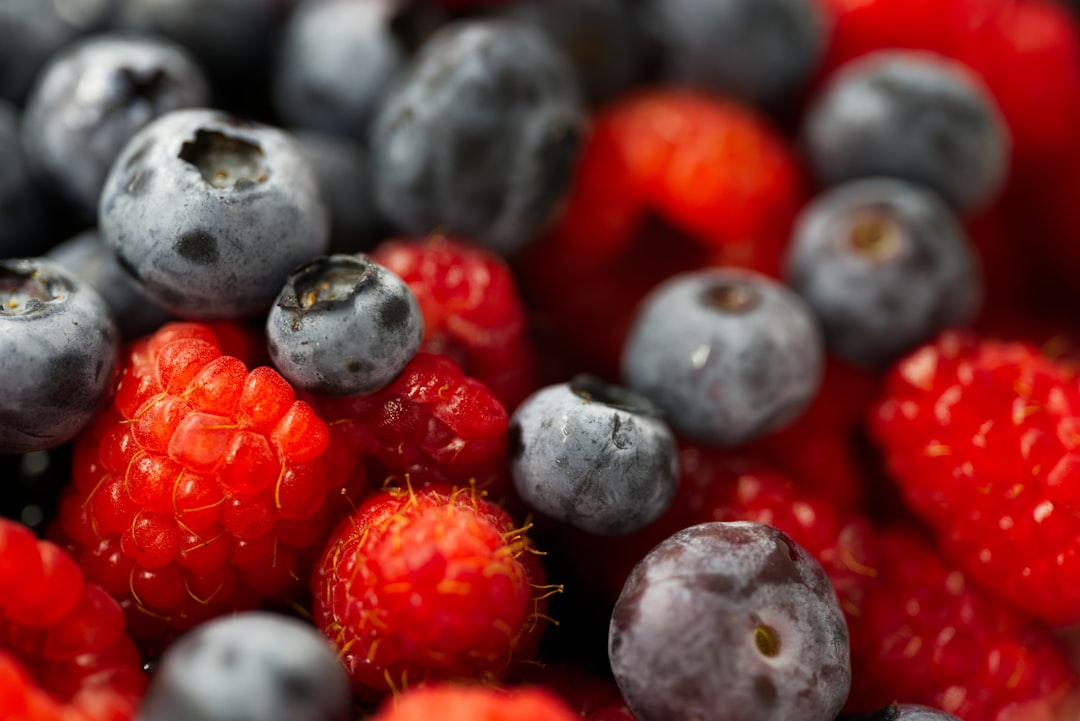
Blueberries, strawberries, raspberries, and blackberries get their deep color from anthocyanins, antioxidants linked to lower inflammatory markers in human trials. A handful in the morning, fresh or frozen, is one of the easiest wins on this list. Frozen is picked ripe and loses almost nothing.
3. Leafy greens
Spinach, kale, collards, and Swiss chard bring vitamin K, folate, and a stack of plant antioxidants. According to Harvard Health, dark leafy greens are a cornerstone of any eating pattern built to lower inflammation. Wilt them into eggs or soups if salads aren't your thing.
4. Extra virgin olive oil
The fat at the center of the Mediterranean diet carries a compound called oleocanthal, which acts on some of the same pathways as common anti-inflammatory drugs (in a much gentler way). Use it as your default cooking and dressing oil rather than a once-in-a-while finish.
5. Turmeric
Curcumin, the yellow pigment in turmeric, is one of the most researched plant compounds for inflammation. It absorbs poorly on its own, so pair it with black pepper and a little fat to get more out of it. Stir it into rice, eggs, or a warm milk drink.
6. Walnuts and other nuts
Walnuts, almonds, and pistachios deliver monounsaturated fats, plant omega-3s, and fiber. Research has tied regular nut eating to lower inflammatory markers and better heart and metabolic health. A small daily handful is plenty; they're calorie-dense, so portion matters.
7. Bell peppers
Bright bell peppers are loaded with vitamin C and quercetin, an antioxidant studied for calming inflammatory processes. They're crunchy raw, sweet roasted, and they hold up well in batch cooking, which makes them an easy staple to keep around.
8. Ginger
Ginger's bite comes from gingerol, a compound shown in studies to reduce inflammatory signaling. Fresh grated into stir-fries, steeped as tea, or blended into a smoothie all work. It pairs naturally with turmeric, and the two are easy to use together.
9. Tomatoes
Tomatoes are a leading source of lycopene, an antioxidant tied to lower inflammation. Cooking them actually raises how much lycopene your body can absorb, so tomato sauce and roasted tomatoes have an edge over raw here. A splash of olive oil boosts uptake further.
10. Green tea
The polyphenol EGCG in green tea has been connected to reduced inflammatory markers. Swapping one daily coffee or soda for green tea is a low-effort change that adds up over months. Matcha delivers a more concentrated dose if you like it.
11. Cruciferous vegetables
Broccoli, cauliflower, Brussels sprouts, and cabbage contain sulforaphane, a compound that supports the body's own antioxidant defenses. Roasting brings out their sweetness and makes them far easier to eat in quantity than steaming alone.
12. Avocado
Avocados combine monounsaturated fat, fiber, and carotenoids, a mix associated with lower inflammatory markers. They also help your body absorb fat-soluble antioxidants from the other foods on this list, so adding slices to a salad does double duty.
How to build anti-inflammatory foods into real meals
The research is consistent on one point: no single food does the work. As nutrition reviewers note, the benefit comes from the overall pattern, which is why the Mediterranean style of eating, heavy on fish, vegetables, olive oil, and herbs, has the strongest evidence behind it. A review of anti-inflammatory diets published through the NIH links this pattern to lower rates of several chronic conditions.
You don't need to overhaul everything at once. Pick three foods from this list and anchor them this week: berries at breakfast, olive oil as your cooking fat, fish twice. Once those feel automatic, layer in a few more. Supporting good digestion helps too, since how well you absorb these nutrients matters as much as eating them, which is part of why our digestion support blends are built around whole-food habits rather than as a replacement for them. At Roots Nutrition, the philosophy stays the same: real food first, targeted support second.
Calming chronic inflammation through anti-inflammatory foods is a slow, cumulative project, not a quick fix. The payoff is in the months, not the mornings. Stack a few of these into your normal meals, keep them there, and let the pattern do the work. This article is for general wellness education and isn't a substitute for advice from your own healthcare provider.


