Nausea
The body's way of saying something needs to leave. Ginger and the cleanse are usually all that's needed.
A condition that doesn't hit us evenly.
Why this matters in our community.
Nausea disproportionately affects Black and brown Americans — both in frequency and in outcomes. Addressing it requires looking upstream at food, stress, sleep, and the body's elimination systems.
Knowing the disparity isn't about feeling resigned to it. It's about getting ahead of it earlier than the timeline most people are given. The goal of this page is to put what's been kept from this community — research, plant knowledge, food plans — back into your hands.
Dr. Brooks's kitchen plan.
What you put on your plate every day does more than almost any single intervention. This is the eating pattern Dr. Brooks recommends for nausea — rooted in soul food traditions, with seasonings that work without relying on salt.
- Leafy greens (kale, collards, spinach)
- Berries and citrus
- Whole grains and legumes
- Cold-pressed olive oil & avocado
- Ultra-processed foods
- Refined sugars and seed oils
- Alcohol in excess
Ten minutes a day, at the floor.
Movement is one of the most reliable levers we have outside the pill bottle. Ten minutes a day is the floor, not the ceiling — and the body responds within weeks.
Daily floor — 10 minutes, every day
A brisk walk after each meal, a stretching routine in the morning, or a quick mobility flow. The streak matters more than the duration.
Strength training — twice a week
Resistance training builds muscle that carries you through life, and supports the systems most affected by chronic disease. No gym required.
Heart & lungs — three times a week
Twenty to thirty minutes of activity that gets the breath going. The heart is a muscle — it responds to being asked to work.
Start where you are. If ten minutes feels like too much today, do five. The body will catch up to the habit faster than you expect.
From the Roots line.
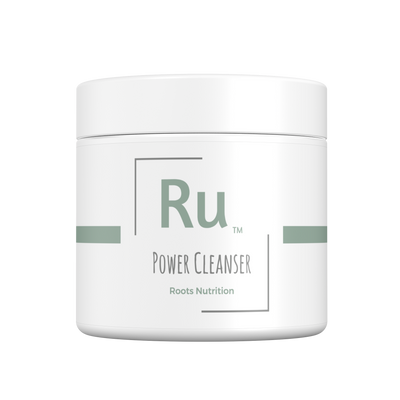
Whole-food formulas from the Roots line that many people fold into a daily wellness routine. These are dietary supplements intended to support general wellness — they are not a treatment for any condition and don't replace medical care.

The body knows how to heal. We just have to give it the room — through what we eat, how we move, and what we stop putting in.
References & further reading.
Every statistic and mechanism described above is grounded in peer-reviewed research or federal public-health data. Pulling the receipts is part of how we do this work.
- U.S. Centers for Disease Control and Prevention — Race and Ethnicity Health Disparity Data.
- National Institutes of Health — Office of Minority Health and Health Disparities.
- American Public Health Association — Racial and Ethnic Health Disparities reports.