Hypertension
High Blood Pressure
A condition that builds quietly for years before it announces itself — and one that hits Black communities harder than any other group in America.
A condition that doesn't hit us evenly.
Why this matters in our community.
Black Americans develop hypertension earlier in life, at higher rates, and with worse outcomes than any other racial group in the U.S. The CDC links the gap to a complex mix of chronic stress, sleep disruption, food access, and historic barriers to consistent care — not biology.
Knowing the disparity isn't about feeling resigned to it. It's about getting ahead of it earlier than the timeline most people are given. The goal of this page is to put what's been kept from this community — research, plant knowledge, food plans — back into your hands.
Watch for these signs.
Symptoms can be quiet for a long time — which is why paying attention early matters. When signs do appear, they often look like this:
What's actually happening, in the body.
 12Cardiovascular system
How a small mechanism becomes a long shadow.
Blood pressure measures the force of blood pushing against the inside of your arteries. When the vessels stay narrowed or stiff for long periods, the heart has to work harder to push blood through — and that pressure damages the inner lining of the vessels over time.
Damaged vessel walls are where atherosclerosis (plaque buildup) gets a foothold. That's why uncontrolled hypertension is upstream of so many other things: stroke, heart attack, kidney failure, vascular dementia.
The research on these botanicals.
The plants below have been studied for their roles in supporting health. None of them replace medical care or prescription medication — but the body of research is real, and these are the ingredients Dr. Brooks reaches for first.

One of the most thoroughly studied herbs in cardiovascular research. Hawthorn flavonoids appear to support endothelial function — the responsiveness of the vessel lining that regulates pressure moment to moment.

The allicin compounds in garlic appear to support nitric oxide signaling — a key mechanism in vessel dilation and pressure regulation. The effect is gentle but consistent in the research over a 6-12 week timeframe.

Capsaicin, the compound that makes cayenne hot, has been studied for its role in supporting vasodilation — helping the small peripheral vessels open. Practitioners have used cayenne for circulation support for generations.
Dr. Brooks's kitchen plan.
What you put on your plate every day does more than almost any single intervention. This is the eating pattern Dr. Brooks recommends for hypertension — rooted in soul food traditions, with seasonings that work without relying on salt.
- Leafy greens — collards, kale, spinach (potassium-rich)
- Berries — blueberries, blackberries (flavonoid-rich)
- Beets & beet greens (nitrate support for vasodilation)
- Garlic & onions (sulfur compounds)
- Hibiscus tea (studied for healthy pressure response)
- Magnesium-rich foods — pumpkin seeds, dark chocolate, avocado
- Cold-water fish — wild salmon, sardines (omega-3s)
- Whole grains — oats, quinoa, brown rice
- Visible salt — table, soy sauce, deli, canned soup
- Ultra-processed foods (most packaged convenience)
- Alcohol (more than 1-2 drinks raises pressure noticeably)
- Excess caffeine, especially energy drinks
- Fried foods and seed-oil-heavy dressings
- Sweetened beverages and added sugars
- Cured meats — bacon, sausage, lunchmeat
Ten minutes a day, at the floor.
Movement is one of the most reliable levers we have outside the pill bottle. Ten minutes a day is the floor, not the ceiling — and the body responds within weeks.
Daily floor — 10 minutes, every day
A brisk walk after each meal, a stretching routine in the morning, or a quick mobility flow. The streak matters more than the duration.
Strength training — twice a week
Resistance training builds muscle that carries you through life, and supports the systems most affected by chronic disease. No gym required.
Heart & lungs — three times a week
Twenty to thirty minutes of activity that gets the breath going. The heart is a muscle — it responds to being asked to work.
Start where you are. If ten minutes feels like too much today, do five. The body will catch up to the habit faster than you expect.
From the Roots line.
Whole-food formulas from the Roots line that many people fold into a daily wellness routine. These are dietary supplements intended to support general wellness — they are not a treatment for any condition and don't replace medical care.

Power Circulator
Six botanicals for vascular tone and circulation, including hawthorn and cayenne.
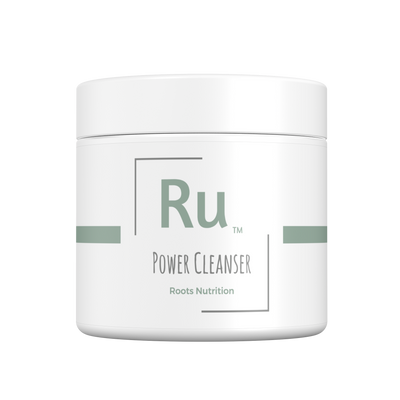
Power Cleanser
Reduces metabolic load on the cardiovascular system by supporting elimination.
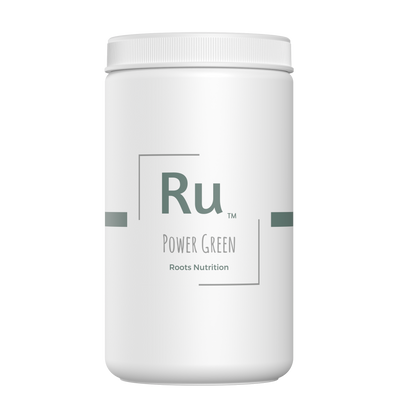
Power Greens
Daily nutrient floor — alkalizing greens that support overall heart health.

When pressure reads 150 over 95, the first thing I ask isn't about salt. It's about sleep, and what's keeping them up.
References & further reading.
Every statistic and mechanism described above is grounded in peer-reviewed research or federal public-health data. Pulling the receipts is part of how we do this work.
- Centers for Disease Control and Prevention. Hypertension Cascade: NHANES 2017–2020.
- Brookings Institution. "Black Americans bear the burden of high blood pressure." 2022.
- Pittler MH, Guo R, Ernst E. Hawthorn extract for treating chronic heart failure. Cochrane Database of Systematic Reviews, 2008 (updated 2010).
- Ried K. Garlic Lowers Blood Pressure in Hypertensive Subjects. Experimental and Therapeutic Medicine, 2020.
- McCarty MF, DiNicolantonio JJ, O'Keefe JH. Capsaicin May Have Important Potential for Promoting Vascular and Metabolic Health. Open Heart, 2015.