12 Anti-Inflammatory Foods That Calm Chronic Inflammation

Chronic inflammation is the quiet thing happening in the background of most modern conditions: heart disease, diabetes, arthritis, depression, even some cancers. It's not the swelling-around-a-cut kind of inflammation. It's the low-grade, year-after-year kind that nobody warns you about until something starts to break.
The good news is that the same food choices show up over and over in the research. Not magic, not extreme, just foods that have been part of long-lived populations for centuries. Here are twelve of them, with what the science actually says and how to use them without turning every meal into a chore.
The 12 Foods
1. Fatty Fish
Wild salmon, sardines, mackerel, anchovies, and herring carry the long-chain omega-3 fats EPA and DHA, which lower C-reactive protein and interleukin-6, two inflammatory markers that Harvard Health flags as central to chronic disease risk. Two servings a week is the simple target. Canned wild sardines are the cheap, shelf-stable option that almost nobody uses but should.
2. Berries
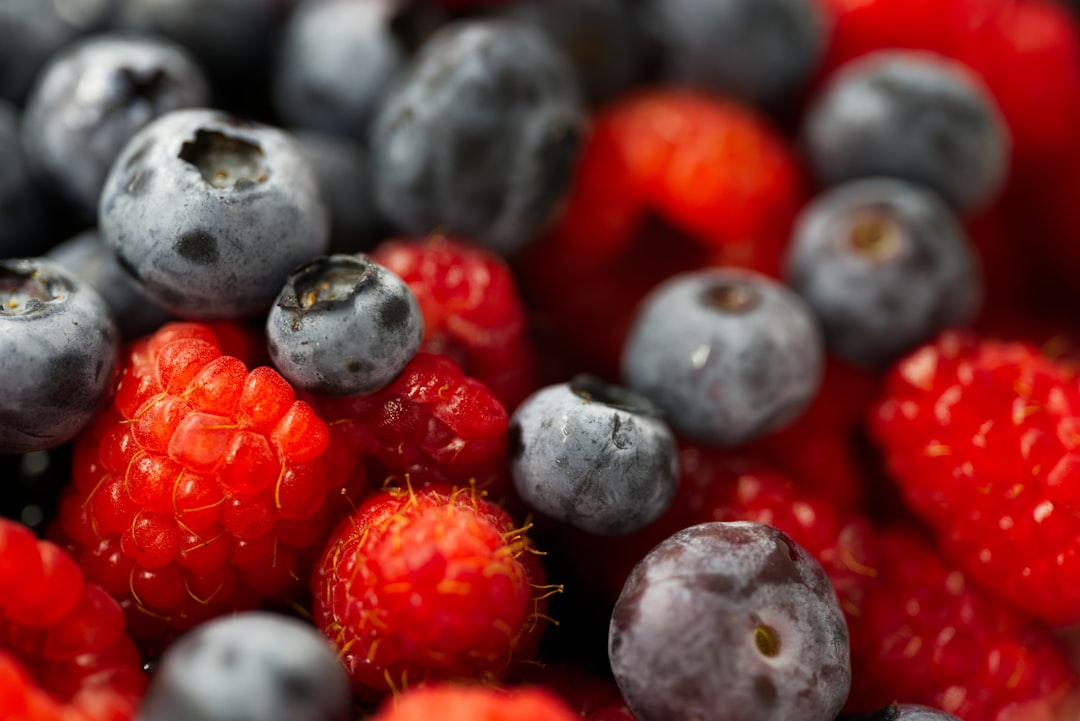
Blueberries, blackberries, raspberries, and strawberries are loaded with anthocyanins, the deep pigments that act as antioxidants and quiet inflammatory pathways. Frozen berries are nutritionally identical to fresh and usually cheaper. Half a cup a day, in oatmeal, smoothies, or just by the handful, is a reasonable habit.
3. Leafy Greens
Kale, spinach, collards, Swiss chard, arugula, watercress, and dandelion greens are dense in vitamin K, folate, and polyphenols. The Mediterranean and DASH eating patterns lean on greens for good reason, and big population studies tie regular intake to lower inflammatory markers and better cardiovascular outcomes. Aim for some kind of leaf at lunch or dinner most days.
4. Extra-Virgin Olive Oil
Real, cold-pressed extra-virgin olive oil contains oleocanthal, a compound that interacts with the same enzyme pathway as ibuprofen, only gently and through your diet. The keyword is real. Many bottles on grocery shelves are diluted with cheaper oils. Look for harvest dates, single-origin labeling, and a peppery throat-catch when you taste it neat.
5. Turmeric
The yellow root that gives curry its color contains curcumin, the most-studied anti-inflammatory compound in the plant world. Curcumin's main weakness is poor absorption on its own, which is why traditional recipes pair turmeric with black pepper (piperine boosts absorption many times over) and a fat source. A pinch in scrambled eggs, soups, or rice is an easy daily habit.
6. Ginger
Fresh ginger root contains gingerols and shogaols, compounds that calm inflammatory signaling in the gut and joints. It's also one of the more useful tools for digestion in general, especially after a heavy meal. Grate it into stir-fries, simmer it as tea, or chop it raw into salad dressings. The fresh root is far stronger than dried powder.
7. Walnuts
Of all the tree nuts, walnuts have the highest content of alpha-linolenic acid, the plant form of omega-3. They've been linked in studies to lower inflammatory markers and better blood lipid profiles. A small handful a day is the dose most research uses. Buy them whole and store them in the fridge or freezer because the oils go rancid fast at room temperature.
8. Green Tea
Green tea is rich in EGCG, a catechin that downregulates inflammatory enzymes and supports cellular antioxidant defense. Two to three cups a day is a reasonable range. If caffeine is an issue, decaffeinated green tea keeps most of the polyphenol content. Matcha (whole powdered leaf) delivers a bigger dose per cup than steeped tea bags.
9. Avocados
Avocados are mostly monounsaturated fat (the same family as olive oil) plus fiber, potassium, magnesium, and lutein. Johns Hopkins Medicine notes that diets rich in monounsaturated fats sit at the heart of every research-backed anti-inflammatory eating pattern. Half an avocado a few times a week, on toast, in salads, blended into smoothies, makes the rotation easy.
10. Tomatoes
Tomatoes (especially cooked ones) are the best dietary source of lycopene, a red pigment with strong antioxidant activity. Cooking concentrates the lycopene and makes it more available, which is why tomato sauce and roasted tomatoes deliver more than a raw slice. Pair them with olive oil to absorb the fat-soluble compounds.
11. Dark Chocolate
Yes, really. Dark chocolate at 70 percent cocoa or higher carries flavanols that have been associated with improved endothelial function and lower inflammatory markers. The catch is dose: an ounce or two a day is the studied range, not a whole bar after dinner. Skip the milk chocolate and the candy-aisle stuff that lists sugar as the first ingredient.
12. Cruciferous Vegetables
Broccoli, cauliflower, brussels sprouts, cabbage, and bok choy contain sulforaphane and other sulfur compounds that activate your body's own antioxidant defense system. Roasting them brings out the sweetness and makes them genuinely good. A 2024 review on anti-inflammatory diets highlighted cruciferous vegetables as one of the most consistent food categories across studies.
What These Foods Have in Common
Look at the list and a pattern emerges. They're whole, mostly plant, often colorful, almost always fiber-rich, and they sit near the surface of the soil or come from clean water. None of them are processed. None of them come in a box with a 30-ingredient label. The closer you eat to the source, the more anti-inflammatory the meal tends to be.
The flip side is just as important. The pro-inflammatory foods (refined seed oils, ultra-processed snacks, added sugars, alcohol in excess, deli meats) work against everything the list above is doing. You can drink three cups of green tea a day and still keep a quiet fire going if the other 90 percent of your plate is fast food.
How to Use This Without Overhauling Everything
Pick three foods from the list that you don't currently eat much. Add them to your weekly grocery rotation. Once they feel automatic, pick three more. The Mediterranean style of eating wasn't designed; it's what happens when whole foods like these dominate the plate over years. The goal isn't perfection in a single meal. It's a steady tilt in the right direction.
At Roots Nutrition, founder Dr. Romeo Brooks built the brand around the idea that what you eat (and what you eliminate) shapes everything downstream. Our detox and digestion formulas are designed to complement an anti-inflammatory pattern, not replace it. Food first, always.
A Note on Sensitivities
If you have a specific autoimmune condition or food sensitivity, this list isn't universal. Nightshades (tomatoes, peppers, eggplant) bother some people. Tree nut allergies are real. Histamine intolerance can make fermented and aged foods uncomfortable. Listen to your own body's signals over a generic list, and work with a practitioner if something keeps flaring no matter what you eat.
The Quiet Approach
Anti-inflammatory eating isn't a diet you start on Monday and quit by Friday. It's a slow rebuild of what's on your plate, week after week, until the foods on this list become the default and the inflammatory stuff becomes the occasional exception. Your inflammatory markers don't know it's Monday. They only know what showed up for the last six months of meals.