12 Anti-Inflammatory Foods That Calm Chronic Inflammation

You wake up stiff. Your knees crack on the way down the stairs. Your skin breaks out for no reason you can pin down. You feel puffy after meals you used to handle fine. You're tired in a way that coffee doesn't fix. None of it is dramatic enough to send you to a doctor, but it's there, every day, slowly draining the way you feel.
That cluster of small, fuzzy symptoms has a common thread for a lot of adults: low-grade chronic inflammation. The good news is your kitchen is one of the most direct ways to influence it. According to Harvard Medical School, certain foods consistently reduce inflammatory markers in the bloodstream, while others reliably raise them. Below are twelve of the most-studied foods on the calming side of that equation, in plain English, with a few notes on how to actually use them.
The 12 Anti-Inflammatory Foods Worth Eating This Week
1. Fatty Fish (Salmon, Sardines, Mackerel)
The omega-3 fatty acids EPA and DHA in cold-water fish are some of the best-documented inflammation-calming compounds in the human diet. Research summarized by Johns Hopkins Medicine notes that omega-3-rich fish reduce two key inflammatory proteins, C-reactive protein (CRP) and interleukin-6. Aim for two servings a week. Sardines are the cheapest, most sustainable option. If you don't eat fish, look at algae-based omega-3 supplements as a vegan alternative.
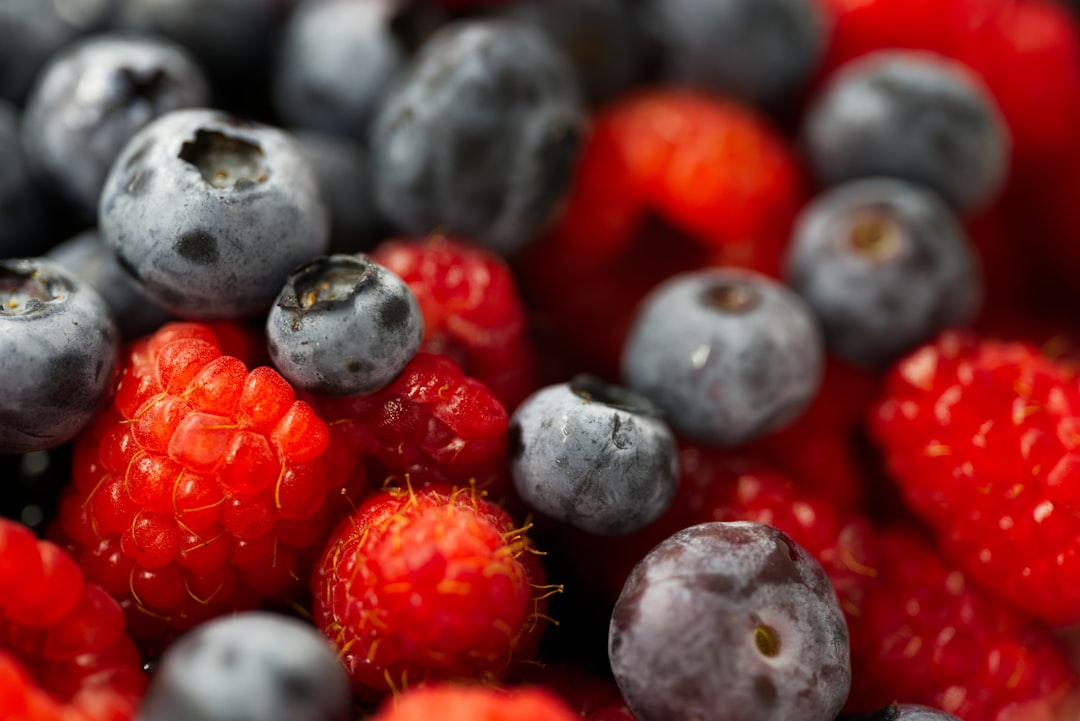
2. Wild Blueberries (and Other Dark Berries)
Blueberries, blackberries, and tart cherries are loaded with anthocyanins, the deep-purple pigments behind a long list of antioxidant studies. They've been linked to lower CRP and reduced oxidative stress. A small handful most days, fresh or frozen, is enough to shift your daily polyphenol intake noticeably. Frozen wild blueberries actually have higher anthocyanin density than the larger fresh ones.
3. Leafy Greens
Spinach, kale, Swiss chard, arugula, and collards bring fiber, vitamin K, magnesium, and a stack of plant compounds that show up across virtually every anti-inflammatory eating pattern. Sauté them in olive oil with garlic. Toss them into eggs. Hide them in a smoothie. The form matters less than the frequency.
4. Turmeric
Curcumin, the yellow pigment in turmeric, is one of the most studied natural anti-inflammatory compounds we have. A 2022 study published in PMC showed that ginger and turmeric extracts together work synergistically to inhibit pro-inflammatory mediators. Curcumin absorbs poorly on its own, so always pair turmeric with black pepper (the piperine boosts absorption substantially) and a fat source.
5. Ginger
Fresh ginger root contains gingerols, which act on similar inflammatory pathways as turmeric and may also calm digestive irritation. Grate it into stir-fries, steep it as a tea with lemon, or blend it into morning smoothies. People who eat ginger regularly report less post-meal bloating and easier digestion in general, which lines up with what gastroenterology research shows about its effect on gut motility.
6. Extra Virgin Olive Oil
The oleocanthal compound in real extra virgin olive oil has been compared in research to a low-dose ibuprofen in terms of how it affects certain inflammatory enzymes. Use it as your default for salads, drizzling, and lower-heat cooking. Buy small bottles, store them away from light, and finish them within a few months. Older oil loses its punch.
7. Walnuts and Almonds
Walnuts deliver plant-based omega-3s (ALA) along with magnesium and fiber. Almonds bring vitamin E, another nutrient consistently linked to lower oxidative stress. A small daily handful, maybe a quarter cup total, is the dose most studies use. Skip the heavily salted, oil-roasted versions; raw or dry-roasted is what you want.
8. Cruciferous Vegetables
Broccoli, cauliflower, Brussels sprouts, cabbage, and bok choy contain sulforaphane, a compound that activates your body's own antioxidant defenses. They also feed the gut microbes that produce butyrate, a short-chain fatty acid with anti-inflammatory effects on the colon. Roasting brings out the sweetness and makes them dramatically more enjoyable than steaming.
9. Tomatoes
Tomatoes are the easiest dietary source of lycopene, a carotenoid linked to lower CRP and better cardiovascular markers. Cooked tomatoes (think marinara sauce) actually deliver more bioavailable lycopene than raw ones, and the fat in olive oil helps you absorb it. Canned crushed tomatoes are a budget-friendly staple worth keeping in the pantry.
10. Green Tea
EGCG, the dominant catechin in green tea, has been studied for years for its effects on inflammation, metabolism, and cellular aging. Two to three cups a day is a reasonable target. Brew at slightly cooler-than-boiling water (around 175°F) for about three minutes to avoid a bitter cup. Matcha delivers a higher dose of catechins per serving since you're consuming the whole leaf.
11. Avocado
Avocados bring monounsaturated fats, fiber, and carotenoids that work together to dampen inflammatory signaling. Adding half an avocado to a meal also improves your absorption of fat-soluble nutrients from other vegetables on the plate. They're one of the simplest ways to round out a salad or grain bowl into something that actually keeps you full.
12. Dark Chocolate (70% cacao or higher)
Cacao is one of the most concentrated polyphenol sources on the planet. The flavanols in dark chocolate have been linked to better blood vessel function and lower oxidative stress markers. The catch is that you need at least 70% cacao to get a useful dose, and the serving is small (one or two squares, not a whole bar). Most candy-aisle chocolate doesn't qualify.
How to Actually Eat This Way Without Overhauling Your Life
You don't need all twelve every day. The pattern matters more than the perfection. A useful starting goal is three or four of these foods at most meals, with fish twice a week and turmeric or ginger working their way into your cooking a few times a week. Build out from where you already are. If breakfast is currently a granola bar, swapping in a bowl of oats topped with frozen wild blueberries and walnuts is a meaningful upgrade you'll actually keep doing.
Equally important: what you stop eating. Highly refined seed oils, ultra-processed snacks, and added sugars push inflammatory markers in the opposite direction. Cutting those tends to amplify the benefit of everything you add. You don't have to be perfect about it. The 80/20 rule, where most of your eating is whole and minimally processed and the rest is whatever brings you joy at a birthday dinner, holds up well in the research on long-term inflammation outcomes.
A Few Practical Tips That Make This Easier
Batch-roast a sheet pan of cruciferous vegetables on Sunday. Keep a jar of cooked lentils or beans in the fridge so a salad assembles in three minutes. Build one default smoothie you can make on autopilot (frozen berries, spinach, half a banana, a tablespoon of nut butter, water or kefir). Buy good olive oil and use it freely instead of dribbling it cautiously like cologne.
If your appetite for vegetables is low, start with the ones you actually like rather than forcing yourself through ones you don't. Anti-inflammatory eating you continue beats a perfect plan you abandon by week three.
Where Roots Nutrition Fits In
If your goal is reinforcing this kind of eating with botanical support, our digestion supplements include traditional roots and herbs that have been used for centuries to support a calm digestive system, and our detox supplements support the elimination pathways that help your body clear out the byproducts of inflammation. Dr. Romeo Brooks built Roots on the principle that what you put in matters as much as what your body can move out.
The Bottom Line
Inflammation isn't something you fix in a week with one perfect smoothie. It responds to the average of your diet, your sleep, your stress, and your movement, measured across months. But food is the lever you control three or four times a day, every day. Pick a few of these twelve, weave them in, and pay attention to how you feel six to eight weeks from now. Your knees, your skin, and your energy may have something to say about it.